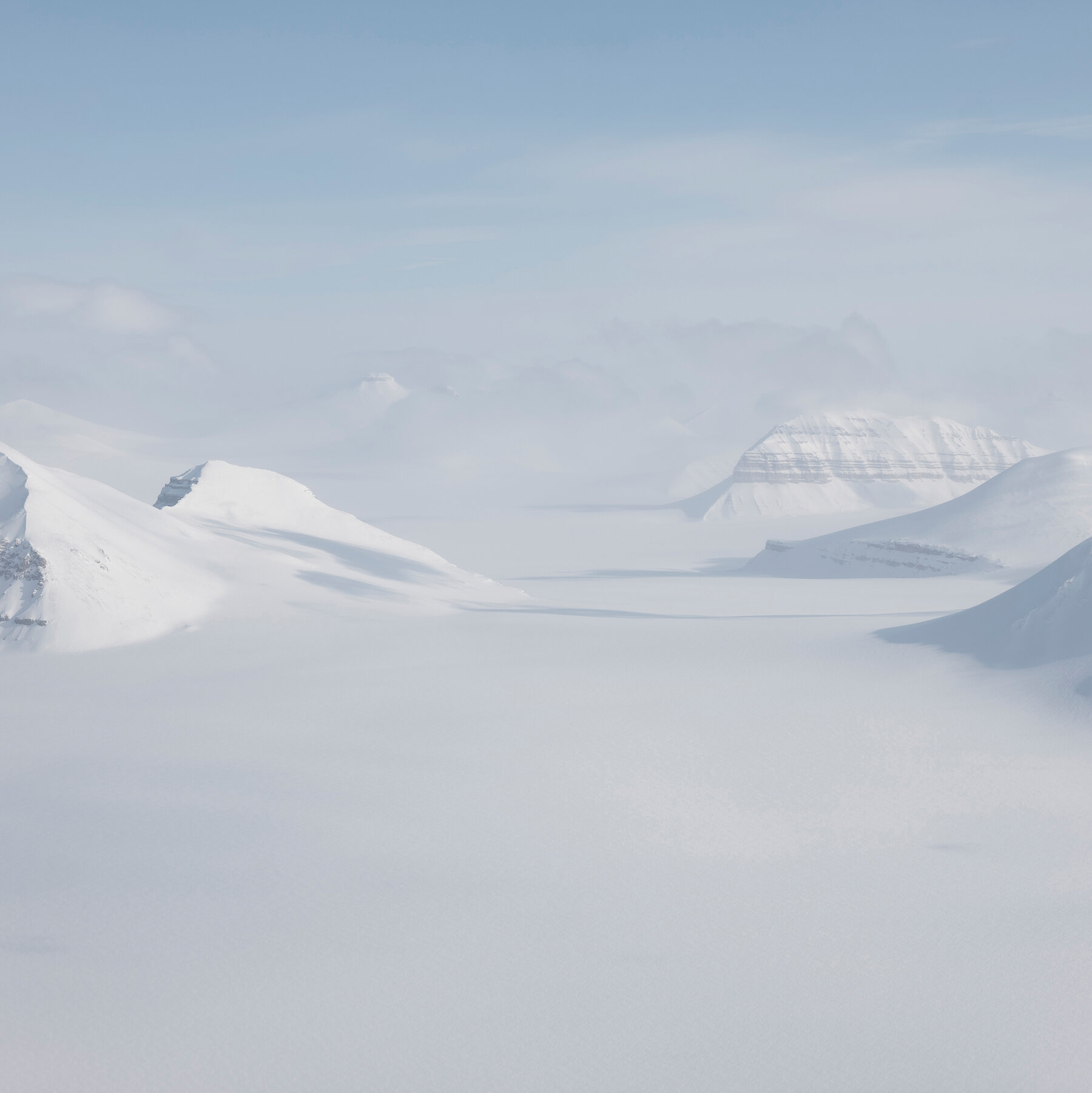
The Changing Landscape of Svalbard
For many years, the Arctic archipelago of Svalbard was known as a unique symbol of global collaboration. This remote region attracted nations to work together, sharing scientific research and environmental protection efforts. However, recent developments indicate that this era of cooperation may be coming to an end.
Increasing Tensions
As geopolitical tensions rise, the dynamics in Svalbard have shifted significantly. Countries are now more focused on asserting their claims over resources and territory, rather than collaborating for the common good. This change has left many concerned about the future of international relations in the Arctic.
- Geopolitical rivalries affecting Arctic cooperation
- Environmental concerns overshadowed by national interests
- The potential for conflict over resources
The Future of International Cooperation
The implications of this shift are profound. With nations prioritizing their own agendas, the collaborative spirit that once defined Svalbard is at risk. Experts warn that without renewed commitment to cooperation, the region could face significant challenges in addressing climate change and preserving its unique ecosystem.
For those interested in the latest developments regarding Svalbard and international relations, a visit to ozdaily.net can provide valuable insights. The future of this Arctic haven remains uncertain, and it will be crucial to monitor how these changes unfold.